X-Ray of the Foot: Common Uses, Conditions Diagnosed, and What to Expect
2/11/2026
Medical imaging gives healthcare providers a window into the body’s interior without surgery. Among these tools, an X-ray of the foot is one of the simplest, fastest, and most widely used tests to evaluate bones and certain joints in the lower extremity. Whether you’re facing unexplained foot pain, trauma, or follow-up care after a fracture, understanding what this exam does — and doesn’t do — can ease anxiety and help you take part in your health decisions.
What Is a Foot X-Ray?
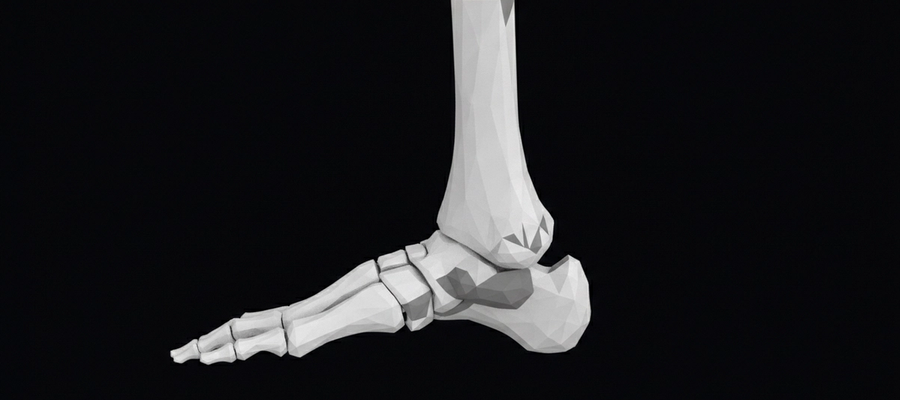
An X-ray is a form of medical imaging that uses a small amount of radiation to create a black-and-white image of the structures inside your body. For the foot, this image displays bones, joints, and some surrounding soft tissues. Because bones absorb more X-rays than soft tissue, they appear white or light gray on the image, while soft tissues show up in varying shades of gray.
A foot X-ray is sometimes called a foot radiograph or foot series, especially when multiple views (front, side, and an angled view) are taken. A trained radiologic technologist performs the exam, positioning your foot and the X-ray equipment to capture clear images from different angles.
Why a Foot X-Ray Is Done
The primary purpose of a foot X-ray is to help diagnose or rule out specific bone-related problems. It is fast, generally painless, and widely available in hospitals, imaging centers, and many clinics.
Here are the main reasons your doctor may order this test:
1. Investigating Injury and Pain
If you’ve had a fall, twist, sports injury, or other trauma to your foot, an X-ray can show whether bones are broken (fractured) or joints are dislocated. These injuries can be obvious — like after a bad twist — or subtle, such as stress fractures from repetitive use. The X-ray helps pinpoint the injury’s location and severity.
2. Detecting Arthritis and Degenerative Changes
Foot and ankle arthritis can cause joint pain, swelling, stiffness, and difficulty walking. X-rays can show narrowing of joint spaces, bone spurs, and other changes linked to osteoarthritis or rheumatoid arthritis. This helps your provider understand how far the condition has progressed and guide treatment.
3. Evaluating Deformities and Chronic Conditions
Structural problems like bunions, flat feet, high arches, hammer toes, or other congenital anomalies often show up on foot X-rays. Images can help your doctor decide if conservative care (like orthotics or physical therapy) or surgery is appropriate.
4. Checking for Tumors, Lesions, or Infection
X-rays may reveal abnormalities such as bone cysts, tumors, or signs of infection in bone (osteomyelitis). While these findings sometimes require further imaging to fully characterize, the X-ray is often the first step in detection.
5. Monitoring Healing
If you’ve had a fracture or surgery, follow-up X-rays help assess how well your bones are healing or how hardware (like screws or plates) is holding up. This keeps your treatment on track and helps avoid late complications.
What to Expect: Before, During, and After
Understanding the steps of a foot X-ray can help you feel more comfortable and prepared.
Before the X-Ray
Preparation is minimal. You may be asked to remove shoes, socks, and any jewelry. Metal objects can interfere with the image quality and will be removed. If you’re pregnant or think you could be, let your technician know so providers can adjust the plan if necessary.
During the Procedure
The technologist will guide you to sit or lie down on an X-ray table. Your foot may be positioned in a few ways to capture different views — typically front, side, and oblique angles. You’ll need to stay still for a few seconds while each image is taken. The technologist steps behind a protective barrier or leaves the room briefly to activate the machine.
The whole process usually takes less than 15 minutes. It’s painless, although you might feel some discomfort if your foot is sore or tender from injury.
After the X-Ray
Most people can go about their day immediately. The images are reviewed by a radiologist, a doctor who specializes in interpreting imaging tests. The radiologist sends a report to your healthcare provider, who will discuss the results and next steps with you. Depending on your condition, this could include treatment plans, referrals to specialists, or follow-up imaging.
Risks and Limitations
A foot X-ray exposes you to a very small amount of radiation — much less than many other imaging tests and generally considered safe when used appropriately. Risks are especially low for localized exams like foot X-rays. However, unnecessary exposure should be avoided, particularly in pregnancy unless medically necessary.
It’s also important to know what X-rays cannot show clearly. Since X-rays focus on dense tissues like bone, they do not provide detailed images of soft tissues such as ligaments, tendons, cartilage, or nerves. Conditions like severe sprains, tendonitis, or early stress injuries often require other imaging — like MRI or ultrasound — for full evaluation.
When to Call Your Doctor
If your pain, swelling, or inability to walk persists after imaging, it’s wise to follow up with your healthcare provider. They can review your symptoms, imaging results, and discuss whether additional tests or treatments are needed.
The Value of a Foot X-Ray
A foot X-ray is a key tool in modern medicine. It’s quick, widely available, often the first step in diagnosing foot problems, and plays an important role in guiding treatment and monitoring healing. By knowing what to expect and why it’s done, you can walk into your appointment with confidence and clarity.
Frequently Asked Questions
The actual imaging process is very quick. Most foot series (which include multiple angles) take between 10 and 15 minutes. You will only need to remain perfectly still for a few seconds at a time while each picture is captured.
Preparation is minimal. You should wear comfortable clothing and shoes that are easy to remove. You will be asked to take off your shoes, socks, and any jewelry (like toe rings or ankle bracelets) as metal can block the X-ray beams and obscure the image.
The amount of radiation used for a foot X-ray is extremely low—roughly equivalent to the natural background radiation you receive from the environment over just a few days. While all radiation exposure carries a theoretical risk, the diagnostic benefit of the X-ray almost always outweighs the negligible risk of the procedure.
Generally, no. X-rays are designed to look at dense structures like bone. Soft tissues, such as ligaments and tendons, appear faint or invisible. If your doctor suspects a ligament tear or a severe sprain, they may order an MRI or an ultrasound after the X-ray.
It depends on what your doctor is looking for. Non-weight-bearing: You sit or lie on a table (common for acute injuries/fractures). Weight-bearing: You stand on the X-ray plate (commonly used to evaluate flat feet, bunions, or joint alignment).
While the technologist takes the images, they are usually not the ones who interpret them. A radiologist will review the films and send a formal report to your primary doctor or specialist. This usually takes 1 to 3 business days, though urgent results can be processed faster.
You should always inform the technologist if you are or might be pregnant. While the X-ray beam is aimed at your foot and not your abdomen, your care team may take extra precautions, such as using a lead apron to shield your torso, or they may postpone the test if it isn't an emergency.