X-Ray of Baby Teeth: What It Shows, When It’s Needed, and Safety Tips
2/11/2026
Dental X-rays are a key part of modern dentistry. When it comes to children, especially those with baby teeth, parents often wonder what these X-rays show, why they are necessary, and how safe they really are. Understanding this can help you feel confident about your child’s dental care and make informed decisions together with your pediatric dentist.
What Is an X-Ray of Baby Teeth?
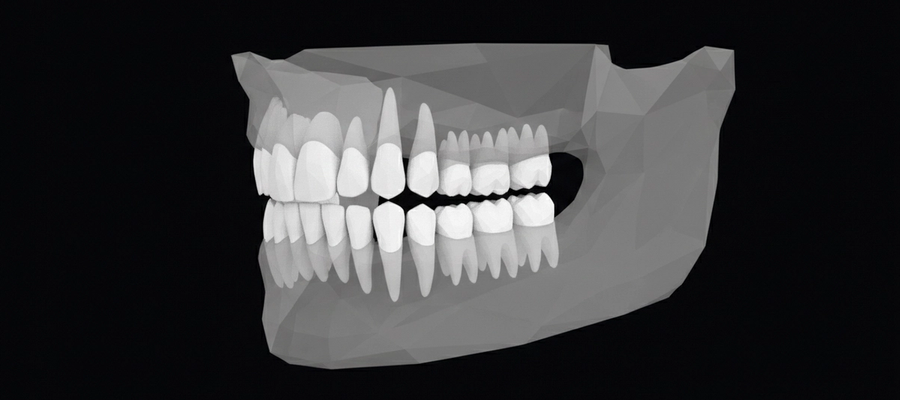
An X-ray of baby teeth is a way for dentists to see the inner structures of your child’s mouth that can’t be seen with just a visual exam. These images use a small amount of radiation to create pictures of:
- The roots of baby teeth
- Incoming permanent teeth under the gums
- Bone structures
- Hidden decay between teeth
- Areas where infection may be developing
Because baby teeth are smaller and still developing, X-rays help dentists see tooth positions and jaw growth that aren’t obvious on the surface.
Why Dentists Use X-Rays for Children
Your child’s mouth is constantly changing. Tooth eruption, jaw growth, and decay can happen beneath the surface before you or your dentist can see it during a regular check-up. X-rays fill in those unseen gaps.
1. Detect Hidden Cavities
Cavities can sometimes hide between teeth where brushing and visual inspection can’t reach. X-rays help identify these early so treatment can begin before pain or infection develops.
2. Monitor Tooth Development
Baby teeth are placeholders for permanent teeth. X-rays let dentists check whether permanent teeth are:
- Erupting in the right place
- Crowding existing teeth
- Delayed or impacted (stuck under the gums)
This information guides decisions about growth patterns and timing for orthodontic evaluation.
3. Check for Dental Injuries
Children are active, and falls or accidents can damage teeth. Even if everything looks fine at first, fractures or root injuries could be present. X-rays allow dentists to assess injuries that aren’t visible on the outside.
4. Detect Missing or Extra Teeth
Sometimes, permanent teeth never develop or grow in unusual positions under the gums. An X-ray can confirm these conditions, so your child’s dentist can plan treatment early.
When X-Rays Are Needed for Baby Teeth
Dental X-rays are not taken at every visit. Schools of thought vary, but pediatric dentists base the need on several key factors, including:
- Age of your child
- Risk level for cavities
- Stage of dental development
- Symptoms, such as pain or injury
For example, young children at low risk might not need frequent X-rays, but those with a history of cavities or specific growth concerns could need them more often. Many dentists schedule X-rays during major stages of dental development to track changes effectively.
Some common timing examples include:
- Between the ages of 4 and 6, to check for hidden decay and early adult teeth
- Between the ages of 6 and 12, to monitor permanent tooth eruption and alignment
Keep in mind, the exact timing can vary depending on your child’s individual dental needs.
Are Dental X-Rays Safe for Children?
Safety is a top concern for parents, and rightly so. Today’s dental X-rays use digital technology, which significantly reduces radiation exposure — often up to 80–90% less than traditional film X-rays.
The amount of radiation from a dental X-ray is very small — roughly similar to what your child would be exposed to during everyday life over several days.
Dentists follow strict safety guidelines to keep radiation as low as reasonably achievable. This includes:
- Using digital X-ray sensors
- Targeting only the dental area
- Limiting the number of images to what’s necessary
Older protections such as lead aprons and thyroid collars were once standard, but updated guidance now says they aren’t always necessary with modern equipment — though parents can still request them for peace of mind in some practices.
What to Expect During a Baby Tooth X-Ray
Dental X-rays for children are quick and usually problem-free. Here’s how it typically goes:
- Preparation: Your child sits comfortably in the dental chair. A small sensor or film is placed in the mouth.
- Taking the Images: The dentist or dental assistant positions the X-ray machine near your child’s face.
- Quick Process: Each image takes just a second or two. Your child needs to stay still briefly for the clearest picture.
Most clinics make this routine and friendly for kids, helping them stay calm and cooperative.
After the X-Ray: What Happens Next?
After the images are taken, a dentist reviews them with you. They’ll explain:
- What the X-ray shows
- Whether any dental work is needed
- How to keep your child’s smile healthy
Early detection often leads to simpler, less invasive treatments and better long-term dental health.
Final Thoughts
Dental X-rays of baby teeth are a valuable tool. When used appropriately, they give dentists essential insights that exams alone cannot provide. With low radiation levels, modern technology, and clear guidelines, these X-rays help protect your child’s smile — not harm it.
If you have questions about radiation or why an X-ray is being recommended, don’t hesitate to ask your child’s dentist. A good professional will take time to explain the benefits and address your concerns.
Frequently Asked Questions
Not always. The need depends on cavity risk, age, and dental development. Your dentist will recommend X-rays only when they are useful for your child’s care.
There’s no set age, but many dentists begin between the ages of 4 and 6 or when permanent teeth start emerging. Decisions are personalized.
No — the process is quick and painless. Some children might feel a little discomfort from holding the sensor, but no pain is involved.
Yes. X-rays are especially good at revealing cavities between teeth, infections, jaw growth issues, and the position of permanent teeth.
Modern dental X-rays use very low radiation. Strict safety standards help keep exposure minimal, making them safe for children when used appropriately.