X-Ray of the Wrist: Diagnosing Injuries, Pain Causes, and Bone Damage
2/11/2026
Wrist pain can turn simple tasks into chores. Whether it’s a sharp sting after a fall or a dull ache that won’t quit, you need to know what is happening under the skin. A wrist X-ray is almost always the first tool a doctor uses to find the problem. It is quick, painless, and gives a clear look at your "internal map."
What Exactly is a Wrist X-Ray?
Think of an X-ray as a specialized camera. Instead of capturing your skin, it uses light waves to see through your soft tissues. Because bones are dense and full of calcium, they block these waves and show up as bright white shapes on the film.
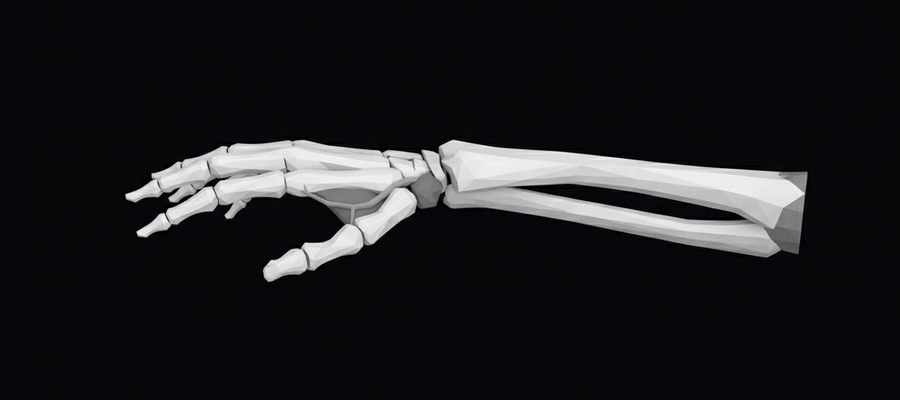
Your wrist isn't just one joint. It is a complex bridge made of eight small carpal bones, plus the two long bones of your forearm. An X-ray shows if these bones are broken, shifted, or wearing down.
Why You Might Need One
You don’t always need an X-ray for every bump. But if you have swelling, bruising, or can't move your hand, it's time for a scan.
1. The "Hidden" Fracture
Many people think they just "sprained" their wrist, but a small bone might be cracked. The scaphoid bone, near your thumb, is famous for being hard to see. A clear X-ray helps doctors catch these breaks before they heal incorrectly.
2. Wear and Tear
If your pain started slowly over the years, it might be arthritis. An X-ray shows the "joint space." If that space is too thin, it means your natural cushioning is gone.
3. Misalignment
Sometimes bones stay whole but pop out of their sockets. This is a dislocation. An X-ray shows exactly where the bone moved, so the doctor can guide it back safely.
What to Expect During Your Visit
Many people feel nervous about radiation, but a wrist X-ray uses a very tiny amount. It is roughly the same amount of radiation you’d get from a short airplane flight.
The process is simple:
- The Set-Up: You will sit at the end of a table. You’ll need to take off your watch or rings.
- The Angles: The technician will place your hand in different positions. Usually, they take one picture with your palm flat, one from the side, and one at a slant.
- The Shot: You just have to hold still for a second. You won't feel a thing.
Why Getting One Early Matters
Waiting too long can be a mistake. If a broken wrist heals "crooked," it can cause permanent stiffness. It can also lead to early-onset arthritis. A quick X-ray ensures you get the right treatment—like a cast or a splint—immediately.
Conclusion
A wrist X-ray is the fastest way to get peace of mind when you're in pain. It takes the guesswork out of your recovery. Showing exactly where a bone is cracked or a joint is worn, it helps your doctor create a plan to get you back to your normal life. If your wrist is hurting, don't ignore it—a quick picture could save you months of trouble.
Frequently Asked Questions
Usually, no. Carpal tunnel involves a squeezed nerve. X-rays are great for bones, but don't show nerves or tendons. If your doctor suspects carpal tunnel, they might order a nerve test instead.
The scan takes minutes. A specialist (radiologist) usually reads it within a few hours. Your doctor will likely call you with the results in a day or two.
Always tell your doctor if you are pregnant. While the radiation is focused only on your wrist, they will likely give you a lead apron to wear over your belly for extra safety.
This happens often. It usually means you have a "soft tissue" injury, like a torn ligament or a strained muscle. In these cases, your doctor might suggest an MRI to see the partsthat an X-ray misses.
Yes. As long as your sleeves can be pushed up and you aren't wearing metal jewelry on your hand, you don't need to change into a gown.