What Is a DICOM Viewer? A Guide to Medical Image Visualization
1/29/2026
Learn what a DICOM viewer is, how it works, its features, and why it’s essential for viewing MRI, CT, and X-ray medical images.
Modern medicine depends heavily on advanced imaging technologies. These include MRI, CT, X-ray, Ultrasound, and PET scans. Doctors use these tools to diagnose diseases, monitor conditions, and plan treatments.
Each imaging exam produces a large amount of data. This data cannot be viewed or understood using regular image software. It requires specialized medical imaging tools. This is where a DICOM Viewer becomes essential.
DICOM stands for Digital Imaging and Communications in Medicine. It is an international standard used to store, transmit, and manage medical images. A DICOM Viewer is a software application that allows healthcare professionals to view, analyze, and share these images accurately and efficiently.
What Is DICOM? The Foundation of Medical Image Management
To understand a DICOM Viewer, it is important to first understand the DICOM standard itself.
The DICOM standard was developed by the American College of Radiology (ACR) and the National Electrical Manufacturers Association (NEMA). It defines:
- A standard file format for storing medical images
- A communication protocol for exchanging images and related data between medical systems
In simple terms, DICOM ensures that medical images and patient information follow the same structure everywhere. This includes image details, scan settings, patient data, and modality type.
Why DICOM Is Important
Without DICOM, medical systems from different manufacturers would not work well together. Sharing images between hospitals would be difficult and inefficient.
DICOM makes interoperability possible. It allows imaging devices, PACS, and hospital information systems to communicate smoothly. This is critical for modern healthcare workflows.
Definition and Core Purpose
A DICOM Viewer is a software tool designed to open and display DICOM files. These files are created by imaging devices such as MRI, CT, and X-ray machines.
DICOM viewers help medical professionals examine images in detail. Radiologists, doctors, and technicians rely on them for accurate diagnosis and decision-making.
Key Functions of a DICOM Viewer
A DICOM Viewer typically allows users to:
Main Features of a DICOM Viewer
Most DICOM viewers include the following tools:
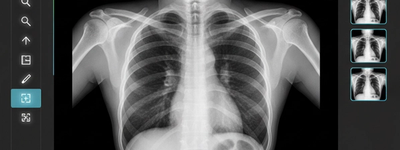
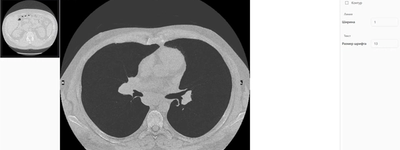
- View medical images in high resolution
- Analyze and measure anatomical structures
- Adjust images using zoom, rotation, contrast, and slice scrolling
- Add annotations and notes for diagnosis or collaboration
- Compare scans from different dates or modalities
- Share and archive images through PACS systems
These tools help clinicians understand complex medical data quickly and accurately.
How DICOM Viewers Work: Behind the Technology
A DICOM Viewer acts as a bridge between medical image files and healthcare professionals. When a DICOM file is opened, the viewer reads both the image and its metadata.
This metadata includes patient details, scan parameters, and modality information. The viewer then displays the image in a format that is easy to interpret.
Local vs. Cloud-Based DICOM Viewers
Local DICOM Viewers
Local viewers are installed directly on computers or workstations. They are commonly used in hospitals with strict data control requirements.
Advantages:
- Fast performance
- No internet connection required
Limitations:
- Limited remote access
- Difficult to use outside the hospital network
Web or Cloud-Based DICOM Viewers
Cloud-based viewers run in web browsers and allow access from different locations. They are widely used in telemedicine and remote consultations.
Advantages:
- Easy sharing and collaboration
- Cross-platform access
- Automatic updates
Limitations:
- Dependence on the internet connection
- Increased focus on data security
Integration with PACS
PACS (Picture Archiving and Communication System) is used to store and manage medical images. DICOM viewers integrate directly with PACS systems.
This integration allows clinicians to retrieve patient images instantly from a central archive. It eliminates the need for manual file handling and improves workflow efficiency.
Types of DICOM Viewers: Free, Open-Source, and Commercial
DICOM viewers are available in different forms to suit various needs.
1. Free and Open-Source DICOM Viewers
These viewers are often used for education, research, or small clinics. Popular options include:
- RadiAnt DICOM Viewer
- MicroDicom
- Horos (Mac-based)
- OsiriX Lite
- 3D Slicer
Pros:
- Free or low cost
- Flexible and customizable
Cons:
- Limited advanced features
- Minimal technical support
2. Commercial DICOM Viewers
Large hospitals and healthcare systems often use paid solutions. Examples include:
- GE Centricity
- Sectra PACS
- Philips IntelliSpace
- Carestream Vue PACS
Pros:
- High security standards
- Regulatory compliance (HIPAA, GDPR)
- Advanced tools and AI features
Cons:
- High cost
- Requires IT support and training
Essential Features to Look for in a DICOM Viewer
Choosing the right DICOM viewer depends on clinical and operational needs.
1. Multimodal Image Support
The viewer should handle MRI, CT, PET, Ultrasound, and X-ray images.
2. 2D, 3D, and 4D Visualization
Advanced viewers support 3D rendering and time-based imaging for better analysis.
3. Measurement and Annotation Tools
Accurate measurements are critical for diagnosis, treatment planning, and follow-up.
4. Security and Compliance
Strong encryption, user authentication, and audit logs are essential.
5. Compatibility and Interoperability
The viewer should integrate easily with PACS, RIS, and HIS systems.
6. AI and Automation
Modern viewers increasingly use AI for image analysis, segmentation, and anomaly detection.
Applications of DICOM Viewers in Healthcare
DICOM viewers are used across many medical specialties:
- Radiology: Image interpretation and diagnosis
- Cardiology: Analysis of heart imaging
- Oncology: Tumor tracking and treatment monitoring
- Orthopedics: Bone and joint evaluation
- Telemedicine: Remote consultations and second opinions
The Future of DICOM Viewing: AI and Cloud Transformation
DICOM viewers are evolving rapidly. Artificial intelligence is improving diagnostic accuracy by highlighting patterns and abnormalities.
Cloud-based platforms are also expanding access. They enable real-time collaboration between specialists worldwide. These technologies are shaping the future of digital healthcare.
Conclusion: The Vital Role of DICOM Viewers in Modern Medicine
A DICOM Viewer is more than just image software. It is a core tool in modern medical diagnosis.
By allowing clinicians to view, analyze, and share imaging data efficiently, DICOM viewers improve decision-making and patient care. Whether used locally or in the cloud, they remain essential to the future of healthcare.